
Bamboozled | Why “bamboo fabric” isn’t always as sustainable as it sounds
Bamboo has a great reputation.
It grows quickly.
Uses less water.
Needs fewer pesticides.
As a plant, it sounds like the perfect sustainable material.
But when it comes to fabric, the story isn’t quite that simple.
The “Bamboo Fabric” Myth
Most soft, stretchy “bamboo” clothing isn’t actually made from bamboo fibre in its natural form.
Instead, it’s typically rayon or viscose made from bamboo pulp.
That means the bamboo is:
- Chemically broken down
- Dissolved into a pulp
- Regenerated into a fibre
By the end of that process, it’s no longer raw bamboo — it’s a man-made fibre derived from a natural source.
Even regulators like the Federal Trade Commission require brands to label these fabrics correctly as rayon or viscose, not simply “bamboo.”
Because they are not the same thing.
The Chemical Reality Behind The Softness
That ultra-soft, silky feel bamboo fabrics are known for?
It comes from the chemical processing.
Traditional viscose production can involve substances like:
- Sodium hydroxide
- Carbon disulfide
Research has linked exposure to carbon disulfide — particularly in manufacturing environments — to neurological and reproductive health risks.
Studies by researchers like T. Takebayashi and H. Sakurai have explored the effects of this chemical exposure in rayon workers, including impacts on the nervous system.
To be clear:
This is primarily a concern for workers and environmental exposure during production, not a claim about wearing finished garments.
But it does raise an important question:
If a fabric is marketed as “natural,” how much does the process matter?
When “Natural” Becomes Marketing
Bamboo as a plant is sustainable.
But bamboo fabric often relies on an intensive manufacturing process to become wearable.
That disconnect is where greenwashing happens.
The story focuses on the plant —
not the process.
And the process is where the real impact lives.
Why NOOD Uses Hemp Instead
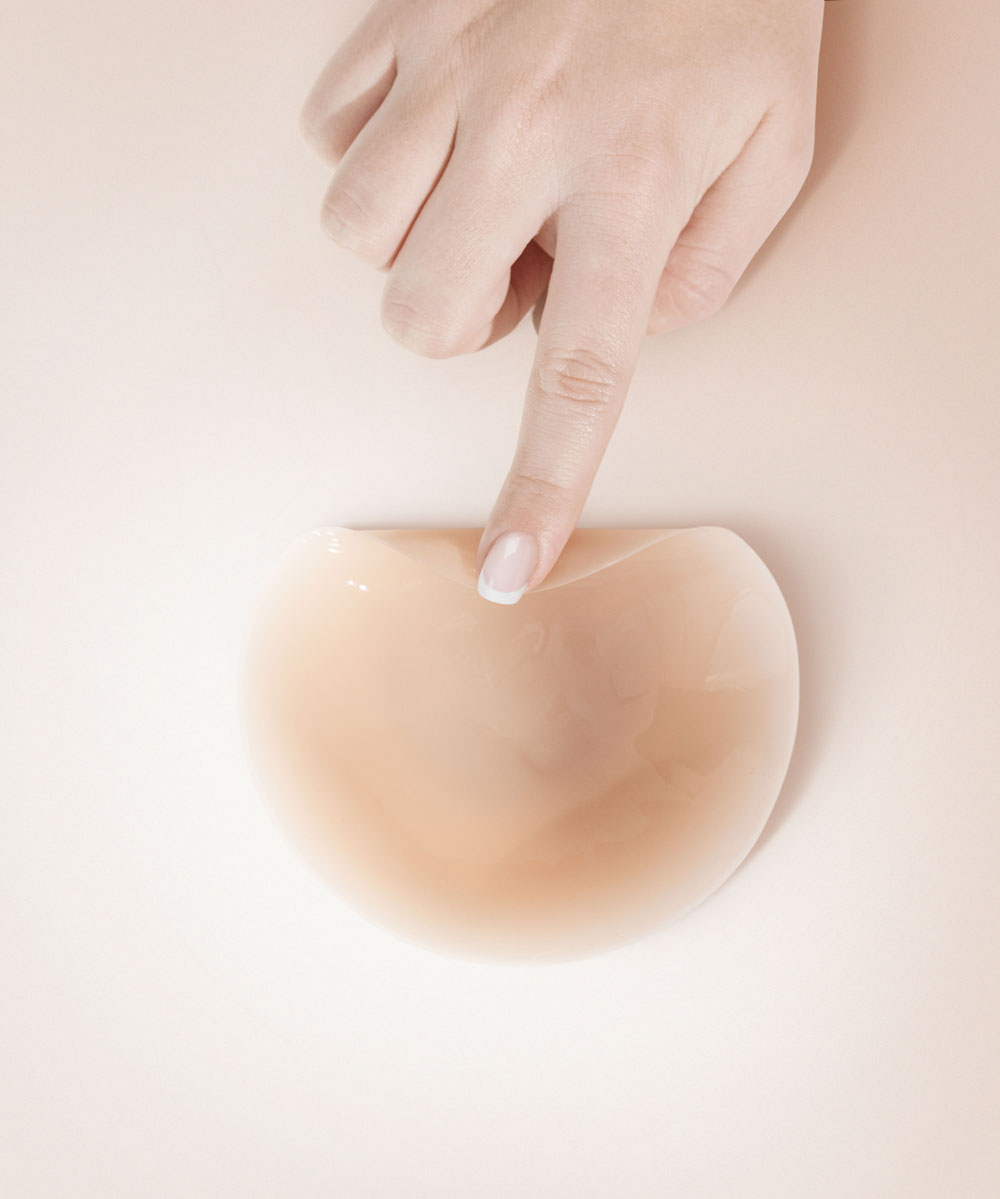
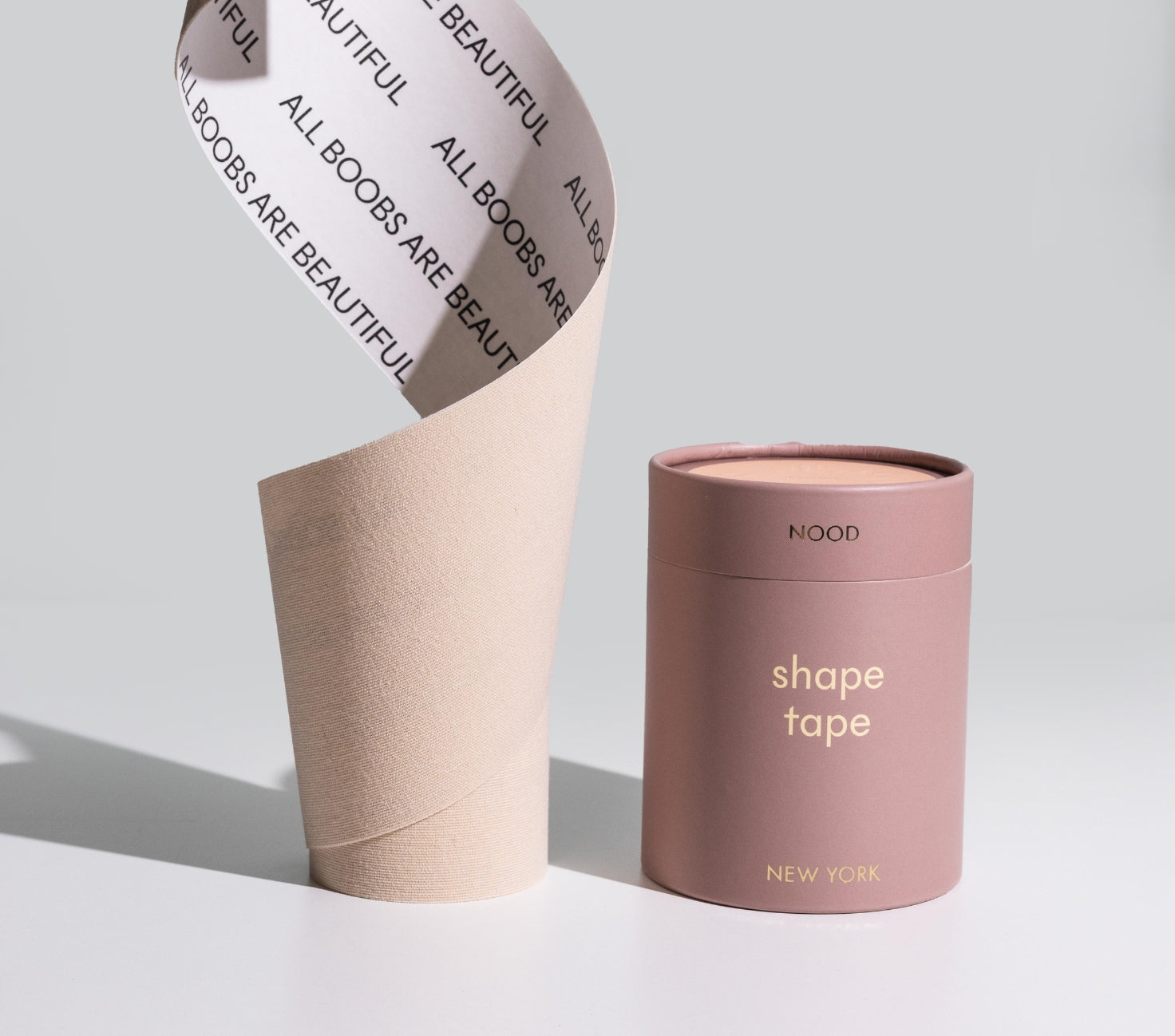
At NOOD, we chose a different path for our Shape Tape Breast Tape and Game Changer Adhesive Bra.
We use hemp-based fabric — and that choice is intentional.
Hemp is:
- Naturally breathable
- Strong and supportive
- Lower impact to grow than many conventional crops
- Able to perform without heavy synthetic processing
For products that sit directly on your skin — often for hours — breathability matters.
Comfort matters.
Performance matters.
And so does the material.
Because your skin has pores for a reason.
Better Materials, Better Choices
This isn’t about saying one fabric is “perfect” and another is “bad.”
It’s about transparency.
Understanding:
- What something is made from
- How it’s made
- And what that actually means
Because sustainability isn’t just about what something starts as.
It’s about what it becomes.
This Earth Week 🤍
Ask better questions.
Not just:
“Is this natural?”
But:
“How was it made?”
Because when it comes to what sits on your body —
you deserve the full story.
—
Boobology by NOOD
No greenwashed fluff. Just better materials.


